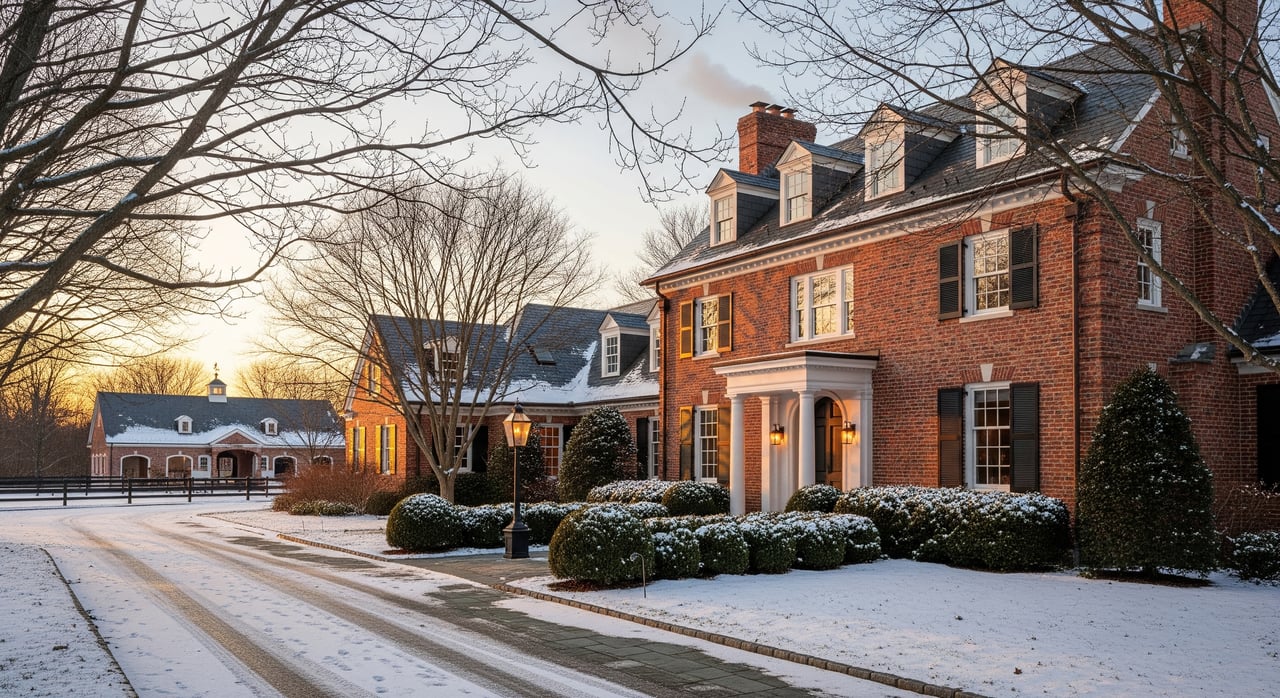
Are you dreaming of crisp Ridgefield weekends, then heading south when the frost arrives? If you want a primary base in Fairfield County and a winter home in Wellington, the moving parts can feel overwhelming. You want clarity, control, and one accountable team that knows both markets. In this guide, you will learn how to time your search, structure financing, coordinate vendors, and close with confidence in Connecticut and Florida. Let’s dive in.
Why one team simplifies two markets
A single, integrated team keeps your goals, budget, and timing in one place. You do not have to re-explain priorities to different agents or juggle separate timelines. With one point of contact, you get coordinated showings, aligned contingencies, and smoother handoffs between lenders, attorneys, title companies, and inspectors in both states.
You also benefit from standardized technology. Expect a shared client portal, consistent virtual-showing quality, and centralized document handling. Regular check-ins keep everyone aligned and reduce surprises near closing.
Ridgefield vs. Wellington seasonality
Ridgefield timing
In Ridgefield, the most active listing period typically runs spring through early fall. Inventory thins in winter, though motivated sellers list year-round. If you want to close before winter, it is smart to start your search and contracts in late spring or summer to match common timelines.
Ridgefield homes range from historic properties and suburban single-family houses on larger lots to rural acreage and newer luxury builds. Older homes may need modernization or maintenance. Plan for winterization tasks if the property will sit vacant while you are in Florida.
Wellington timing
Wellington’s market comes alive in fall through spring, fueled by seasonal residents and major equestrian events. Inventory and demand both rise in that window. Hurricane season runs June 1 through November 30, which affects insurance, inspection scheduling, and closing logistics.
Common property types include single-family homes, condos and townhomes, gated communities, and equestrian estates. Many homes are set up for seasonal living and require ongoing pool and landscape care.
What this means for you
These timelines rarely align perfectly. You may consider bridge financing, flexible possession dates, or short-term rental strategies to fill gaps. Your offer strategy should acknowledge both markets’ rhythms and allow realistic windows for inspections, appraisal, and occupancy.
Build your dual-market strategy
Intake and priorities
Start with a single intake that covers both properties. Clarify budget, timing, lifestyle needs, equestrian or acreage requirements, and whether each home is a primary, second home, or potential rental. Factor in school calendars, work travel, and tax residency goals.
Simultaneous or sequential
If your timeline is flexible, a simultaneous search in both markets provides options. If you have an immediate winter need, secure the Wellington base first, then finalize your Ridgefield purchase. Your team will guide the order that best supports your goals and financing.
Remote showings, inspections, and preview trips
High-quality media is essential if you cannot attend every showing. Expect narrated HD video, 3D tours, floor plans, and utility histories where available. Your agent can schedule live video walkthroughs so you can ask questions in real time.
Build in inspection protections. Use contingencies that let a trusted local inspector access the property, deliver a detailed report, and provide video. For top contenders, schedule short, focused preview trips to confirm your choice and meet key vendors like contractors or pool and shutter specialists.
Offers, contingencies, and synchronized closings
Use clear, realistic contingency windows that account for both markets. Consider inspection, appraisal, financing, home sale, and occupancy timing contingencies. If a seller values speed, a shorter inspection period or more precise repair scope can strengthen your offer without adding risk.
Simultaneous closings are possible with careful planning. Coordinate lenders and title or attorney teams in both states, and confirm wiring and notary requirements early. Staggered closings are common too, such as securing a Wellington home first, then completing your Ridgefield purchase.
Financing choices for two homes
Lenders underwrite primary homes, second homes, and investment properties differently. Down payments, rates, and documentation can vary. Decide early which home you will designate as your primary for mortgage and tax purposes.
Bridge loans can help you buy before you sell. Evaluate total cost, term, and repayment timing with your lender and financial advisor. Some regional or national lenders can handle loans in both CT and FL, while local lenders may offer faster file flow. Your team will align lender selection with your timing and comfort level.
Vendor handoffs and seasonal upkeep
Ridgefield winter readiness
If your Ridgefield home will be vacant in winter, plan for snow removal, freeze-proofing, and regular check-ins. Shut off and drain select plumbing where appropriate, insulate pipes, set thermostats, and manage roof and gutter debris. Assign a local contact for storm response and security alerts.
Wellington hurricane readiness
For Wellington, line up hurricane shutter and roofing vendors before storm season. Arrange pool service, landscape irrigation, pest control, and dehumidification for summer months when you are away. Store outdoor furniture securely and set a plan for pre-storm property checks.
Daily logistics to set early
Coordinate utility start and stop dates with possession. Set automated bill pay, remote thermostat and security access, and mail forwarding. If you plan to be away for extended stretches, consider a property manager or caretaker for routine checks and contractor access.
Insurance, taxes, and regulations to plan for
Insurance differs by state and risk profile. Flood insurance is separate from homeowners coverage, and lenders may require it in some areas. In Florida, wind coverage or wind deductibles are common. Many policies have vacancy clauses that limit coverage after a set period, so notify your insurer and set up property checks to stay compliant.
Residency affects taxes and planning. Florida has no state income tax, and a homestead exemption exists for a primary residence. Connecticut property taxation and assessment cycles differ. Before declaring a primary residence, consult a CPA or tax attorney experienced in multi-state residency, capital gains rules, and vehicle and voter registration timing.
Short-term rentals are regulated locally and often by HOAs. Verify any rental intent with local ordinances and building departments in both Ridgefield and Wellington before you buy. Title and ownership structures, like trusts or LLCs, can influence financing and insurance, so bring legal counsel into the conversation early.
A 60 to 90 day coordination snapshot
- Phase 1: Intake and strategy. Define primary vs. second-home designations, budget, and target timing in both markets.
- Phase 2: Search and preview. Build a target list, schedule virtual tours, and plan an in-person trip for finalists.
- Phase 3: Offer and contingency planning. Align inspection, appraisal, and occupancy windows to work across both states.
- Phase 4: Inspections and quotes. Order inspections, contractor bids, insurance quotes, and any specialty evaluations.
- Phase 5: Closing prep. Coordinate title or attorney teams, wire instructions, remote notarization, and utility transfers.
- Phase 6: Post-closing handoff. Activate winterization or hurricane plans, set property management or caretaker visits, and finalize mail and package protocols.
Your next step
A dual-market move works best with early planning, clear timelines, and one accountable team. You will avoid seasonal bottlenecks, keep negotiations focused, and have the right vendors ready on both sides. If you want a Ridgefield home base with a Wellington winter address, we can map your plan and start the search on your timeline.
Schedule a personalized consultation with The Will Stuart Team.
FAQs
Which home should be primary for mortgage and taxes?
- Decide based on where you intend to live most, then confirm with your lender and a CPA who understands multi-state residency and tax implications.
How long do closings take and can they align?
- Plan for 60 to 90 days to coordinate inspections, financing, and title across two states, with either staggered or carefully synchronized closings.
Can one lender handle CT and FL loans?
- Some regional or national lenders can underwrite in both states, while local lenders may be faster; choose based on timing, product fit, and service.
What inspections differ in CT vs. FL?
- CT may include well and septic or older-home systems; FL often includes wind, hurricane readiness, and termite, plus roof and shutter evaluations.
How do you protect a vacant Ridgefield home in winter?
- Winterize plumbing, set thermostats, manage snow and roof debris, and schedule periodic property checks or caretaker visits.
How do Florida homestead and state income taxes factor in?
- Florida offers a homestead exemption for a primary residence and has no state income tax; confirm timing and eligibility with a tax professional.
What are typical lead times for prep work?
- Book hurricane shutter and roofing vendors before storm season, and arrange Ridgefield winterization and snow contracts well ahead of first frost.
What costs should you budget for dual ownership?
- Budget for taxes, homeowners, flood and wind insurance, HOA fees, utilities, inspections, closing costs in both states, moving, and any bridge financing fees.