Some places feel expensive. Washington Depot feels considered. If you are drawn to homes and towns that value beauty, privacy, and a strong sense of place, this village offers a quieter kind of luxury that is easy to feel but harder to define. In Washington Depot, art, landscape, and housing character come together in a way that feels polished without being showy. Let’s take a closer look.
Why Washington Depot Feels Different
Washington Depot is the largest village center in the Town of Washington, a Litchfield Hills community that covers 38.7 square miles. The town describes itself as socially and culturally rich, and the setting supports that identity with historic village centers, scenic roads, and a countryside feel that remains accessible from New York City in under two hours by local description.
What stands out right away is the scale. Washington Depot is not a heavily commercial downtown. According to the town’s village-center plan, the center is compact and mixed-use, anchored by everyday essentials and local institutions like Hickory Stick Bookshop, Washington Food Market, the post office, banks, a pharmacy, and an art gallery.
That balance matters when you are evaluating lifestyle. The area includes a substantial number of single-family homes near the village core, which helps the Depot feel lived-in rather than built around retail traffic. The result is a village center that feels active, useful, and grounded.
Arts Shape the Village Experience
For a small village, Washington Depot has an unusually deep arts presence. The Washington Art Association & Gallery, founded in 1952, has hosted more than 500 exhibitions and also offers classes and special events. That kind of long-standing cultural institution gives the village an identity that extends beyond shops and dining.
The surrounding arts scene adds even more texture. KMR Arts focuses on photography, Eckert Fine Art Gallery + Consulting specializes in post-war and contemporary art, and The Hen’s Nest blends fine art with jewelry and clothing. Together, these spaces create a cultural footprint that feels curated rather than crowded.
This is one reason Washington Depot appeals to buyers looking for subtle refinement. You are not choosing a place that needs to announce itself loudly. You are choosing a place where the arts are already woven into everyday life.
Books, Coffee, and Community
Cultural life in Washington Depot goes beyond gallery walls. Hickory Stick Bookshop has been in Washington for more than 60 years and regularly hosts events, giving the village a long-running literary anchor. Places like The Po Cafe add another layer, with a setting that connects daily routines to the larger character of the town.
The town’s tourism materials present Washington as a place where books, coffee, exhibitions, and community events overlap. That matters if you are searching for a market where lifestyle is built from real local habits, not just a seasonal image.
A Luxury Presence Without Flash
The Mayflower Inn & Spa adds another element to the village’s identity. Set on 58 acres, the property reinforces Washington’s refined, low-key image. It contributes to the sense that this is a destination with polish, while still remaining rooted in the landscape and pace of Litchfield County.
For buyers and sellers, that tone is important. Quiet luxury tends to hold value in places where the built environment, hospitality, and community character feel aligned. Washington Depot presents that alignment clearly.
Nature Is Part of Daily Life
Washington’s natural setting is not just scenery in the background. It is central to how the town defines itself. Local planning materials identify the Shepaug River as one of Washington’s defining characteristics, and the town’s scenic-roads ordinance is meant to protect rural character and views shaped by mature trees, stone walls, streams, and open natural landscapes.
That long-term stewardship matters if you care about how a place will feel years from now. In Washington, conservation and development are framed together, with a stated goal of maintaining rural quality of life. For many buyers, that creates confidence that the area’s appeal is not accidental.
Steep Rock and the Preserve Network
One of the strongest examples of that stewardship is Steep Rock Association. Founded in 1925, it protects nearly 6,000 acres in Washington through conservation easements and nature preserves, according to the town’s 2025 conservation report. Its four public preserves offer 53 miles of trails and attract an average of 80,000 visitors annually.
That is a meaningful amount of protected land for one town. It gives residents and visitors regular access to a preserved landscape that feels expansive, not pieced together. In practical terms, it means nature here is not a distant amenity. It is part of everyday living.
Trails, Views, and Estate-Like Landscape
Hidden Valley and Steep Rock are especially relevant if you are drawn to quiet luxury. Hidden Valley spans about 700 acres with nearly 17 miles of trails, including destinations like the Lookout, Quartz Mine, Thoreau Bridge, and the Pinnacle. Steep Rock Preserve covers nearly 1,000 acres and includes an 18-mile trail system.
Macricostas Preserve adds another dimension, with 632 acres, trails, bridges, boardwalks, and views over Lake Waramaug. The broader conservation report also notes a forest block of more than 13,000 acres along a 15-mile stretch of the Shepaug River. That scale helps explain why Washington feels so protected and so serene.
The Housing Character in Washington Depot
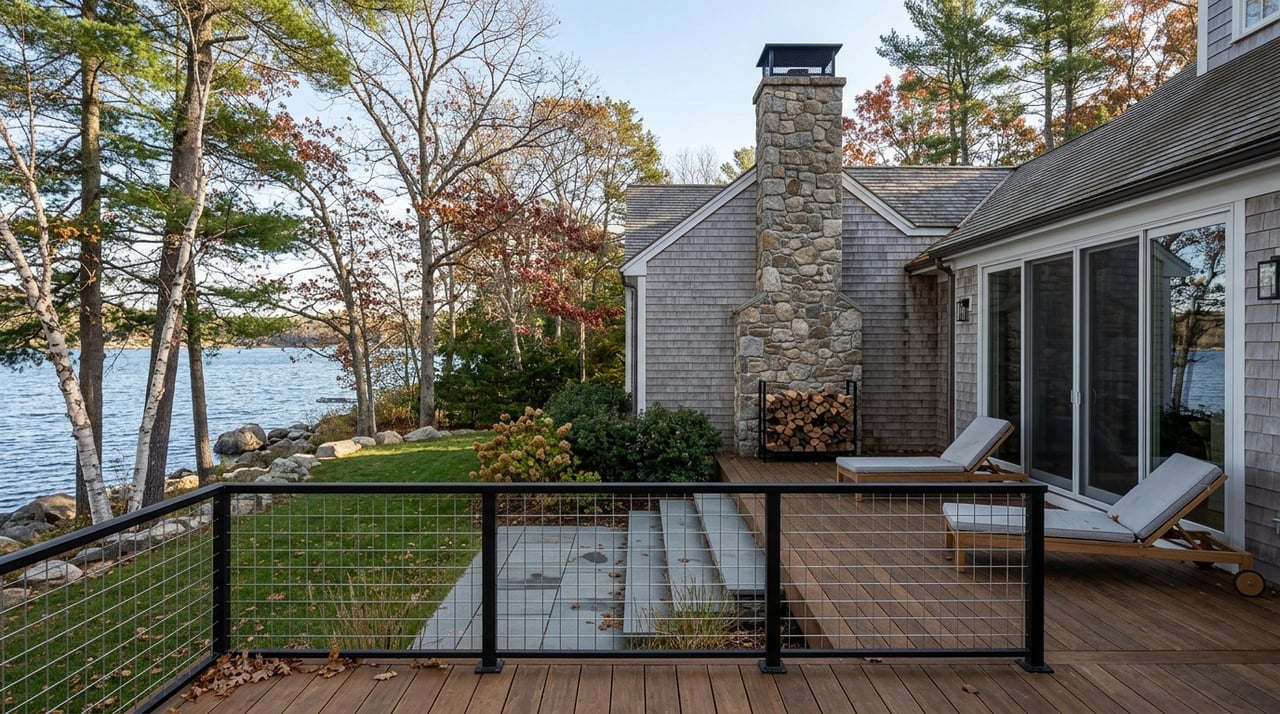
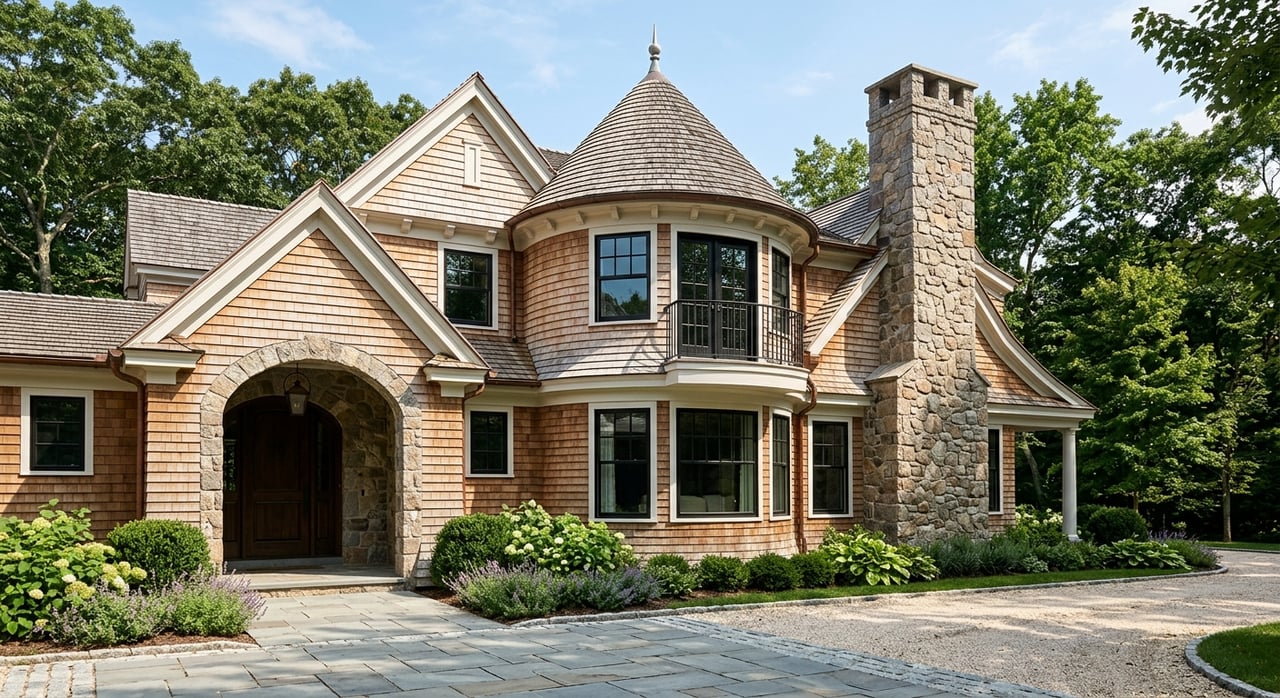
Washington Depot’s housing stock reflects the same mix of refinement and restraint that defines the village itself. Local tourism materials describe homes here as ranging from modest to luxury, antique to modern, including colonial country homes, grand estates, quaint cottages, rustic farmhouses, and lake-view properties. Historic-district homes are also noted as restored and protected.
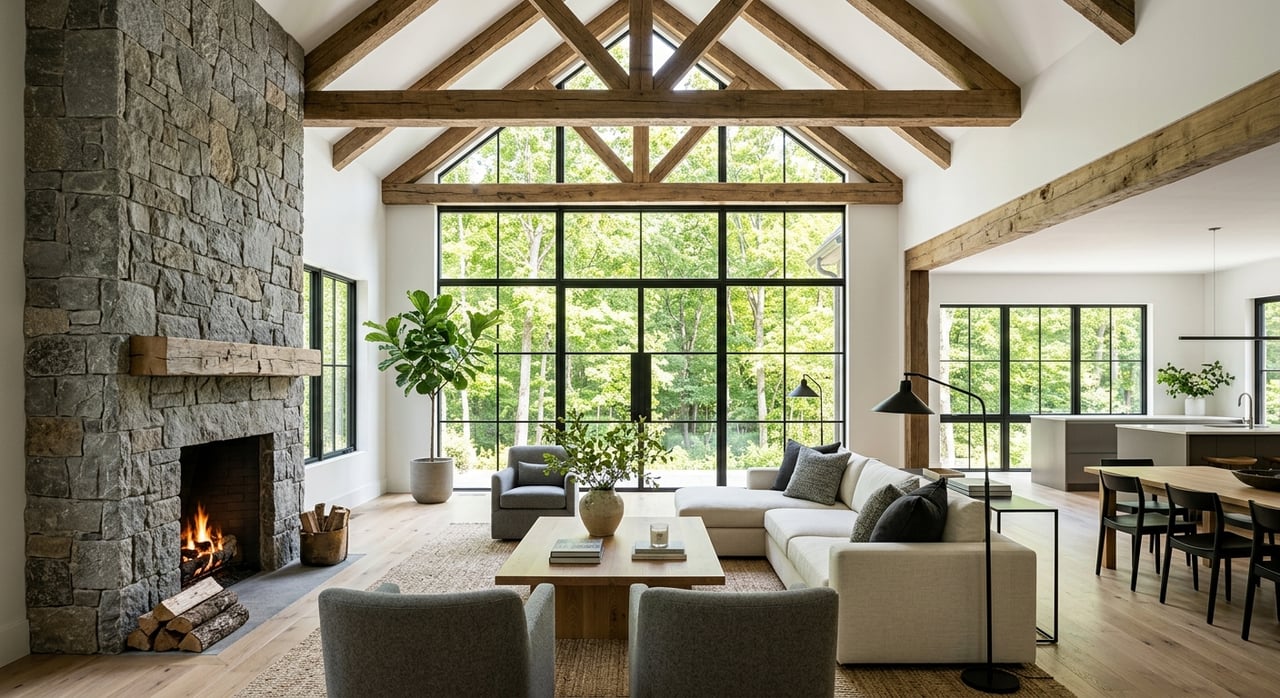
This variety gives buyers more than one way to live well here. You may be drawn to a restored period home near the village center, a country property with privacy and acreage, or a more modern residence that opens to the surrounding landscape. The common thread is character.
Town planning documents also note that the village center includes a substantial number of single-family residences, along with a small amount of multifamily housing and commercial uses. That supports the lived-in quality many buyers want when they are choosing a village over a more commercial destination.
What the Market Signals Suggest
Recent market data point to a high-end market with limited supply. Zillow reported an average Washington home value of $1,013,454 as of March 31, 2026, with 16 homes in for-sale inventory. Realtor.com’s Washington Depot page showed a median listing home price of $880,000 and 15 active homes for sale.
These sources use different methodologies, so the numbers are not directly interchangeable. Still, they point in the same direction: Washington Depot is a thinly supplied market with upper-tier pricing. For buyers, that can mean the right opportunity may require patience and preparation. For sellers, it reinforces the value of positioning a property carefully.
Who Washington Depot Often Fits Best
Washington Depot tends to appeal to people who value understatement over visibility. If you want access to galleries, cafés, and trails, but also care deeply about privacy, preserved landscape, and architectural character, this village offers a compelling mix. It supports a lifestyle that feels complete without feeling crowded.
That can make the area especially attractive for second-home buyers, relocation clients, and those looking for a primary residence with a stronger connection to nature and culture. It can also appeal to buyers who see real estate through a stewardship lens and want a setting where long-term character still matters.
What to Notice When You Start Your Search
If you are considering Washington Depot, it helps to look beyond price and square footage. In a market like this, value often comes from how well a property connects to the broader setting.
Here are a few practical things to pay attention to:
- Proximity to the village center and daily conveniences
- Relationship to protected land, trails, and scenic roads
- The balance between privacy and accessibility
- Architectural integrity and restoration quality in older homes
- Site features such as acreage, views, tree cover, and outdoor living space
- Whether the property’s style matches your intended use, whether full-time or part-time
For higher-value properties, details around land use, conservation context, and long-term upkeep can also shape value over time. That is especially true in towns where natural character is one of the defining reasons people buy.
Why Local Guidance Matters Here
Washington Depot is not the kind of market where broad assumptions work well. Inventory is limited, housing types vary widely, and the appeal of one property over another often comes down to nuance. Location within the village, setting, restoration choices, and land characteristics can all influence how a home lives and how it is perceived in the market.
That is where a boutique, senior-led advisory approach can be especially useful. When you are buying or selling in a place defined by character, preservation, and lifestyle, you want guidance that understands not just pricing but place. That kind of insight can help you move with more clarity and confidence.
If you are exploring Washington Depot or thinking about buying or selling in Litchfield County, The Will Stuart Team offers personalized, high-touch guidance shaped by local market knowledge, lifestyle expertise, and a strong stewardship mindset.
FAQs
What makes Washington Depot, Connecticut feel like quiet luxury?
- Washington Depot combines a compact village center, active arts institutions, preserved natural landscapes, and a housing stock that ranges from restored historic homes to luxury estates, creating a refined but understated feel.
What is the housing market like in Washington Depot, Connecticut?
- Recent data in the research report show upper-tier pricing and limited inventory, including an average Washington home value of $1,013,454 from Zillow and a median listing home price of $880,000 on Realtor.com, with about 15 to 16 homes for sale.
What kinds of homes can you find in Washington Depot, Connecticut?
- Local sources describe housing options that include colonial country homes, grand estates, quaint cottages, rustic farmhouses, modern homes, and some lake-view properties.
What outdoor amenities are near Washington Depot, Connecticut?
- Washington offers access to major preserve land through Steep Rock Association, including Hidden Valley, Steep Rock Preserve, Macricostas Preserve, and West Mountain, with a combined 53 miles of trails across nearly 6,000 protected acres in town.
Is Washington Depot, Connecticut more commercial or residential?
- The village center is compact and mixed-use, but town planning documents note that it includes a substantial number of single-family residences, which helps it feel more residential and lived-in than heavily commercial.
Who may be a good fit for Washington Depot, Connecticut real estate?
- Buyers who value privacy, cultural amenities, preserved landscape, and a polished village atmosphere often find Washington Depot especially appealing, whether for a primary home or a second-home lifestyle purchase.