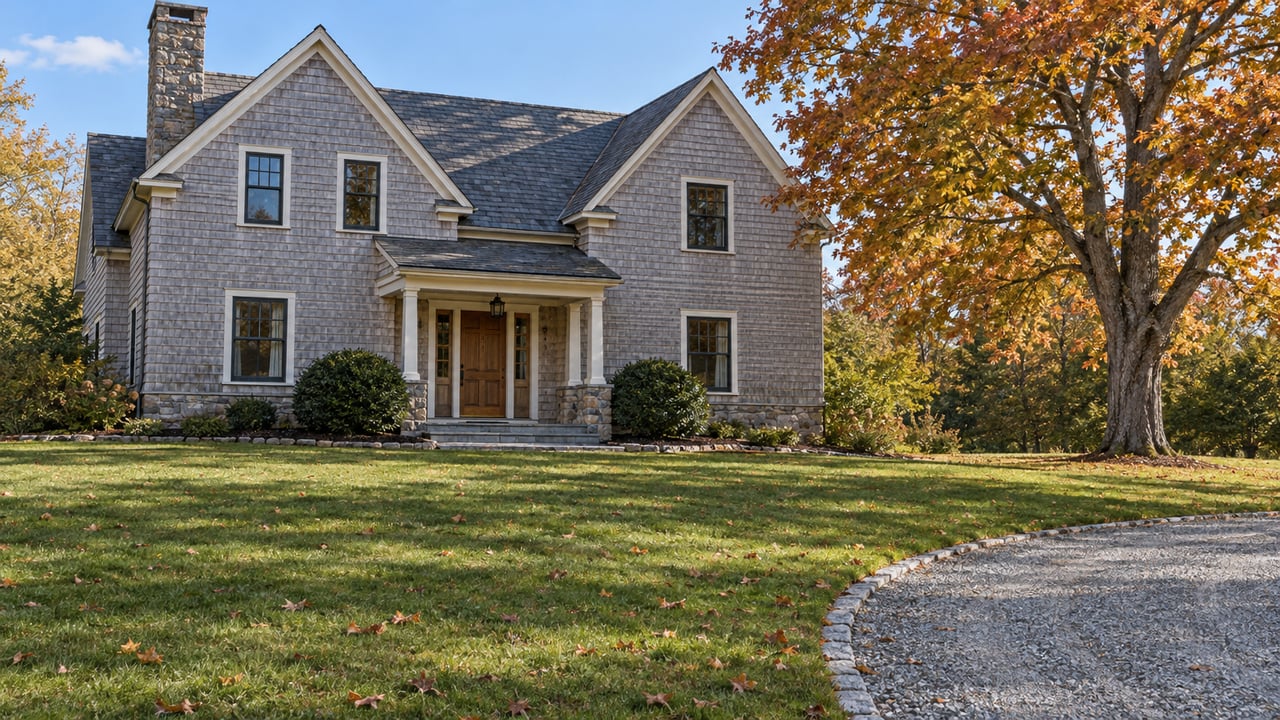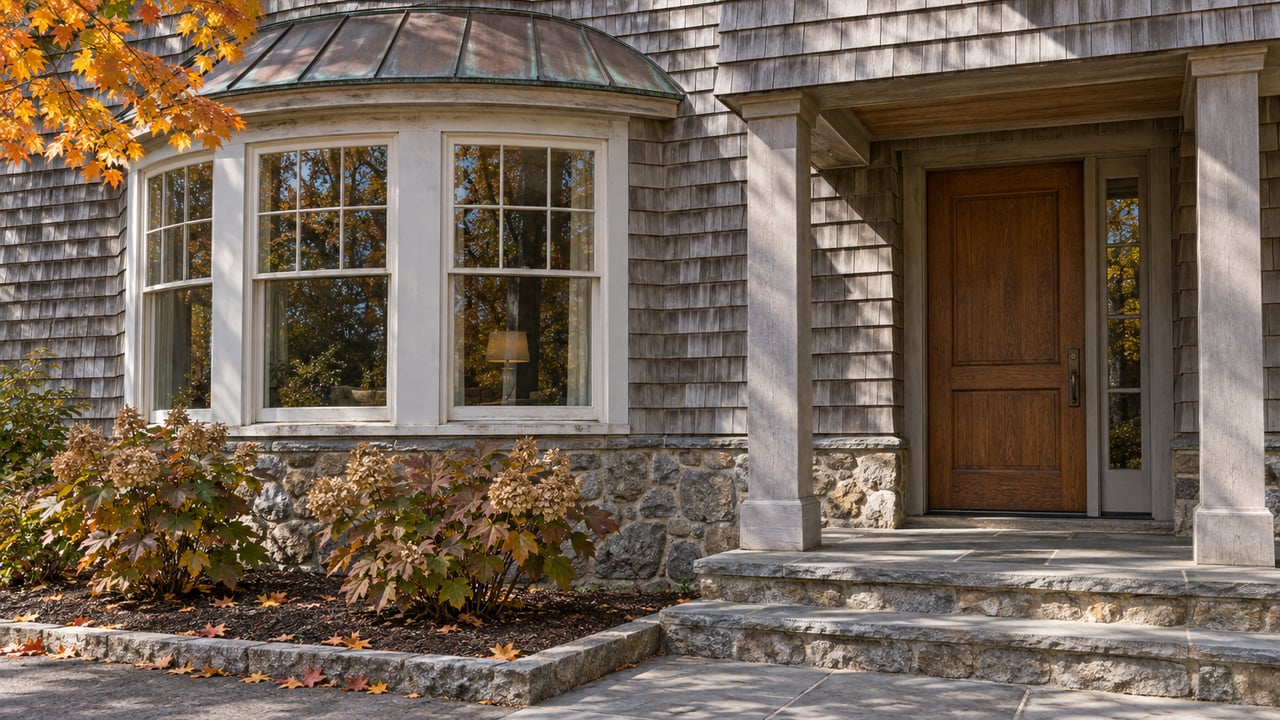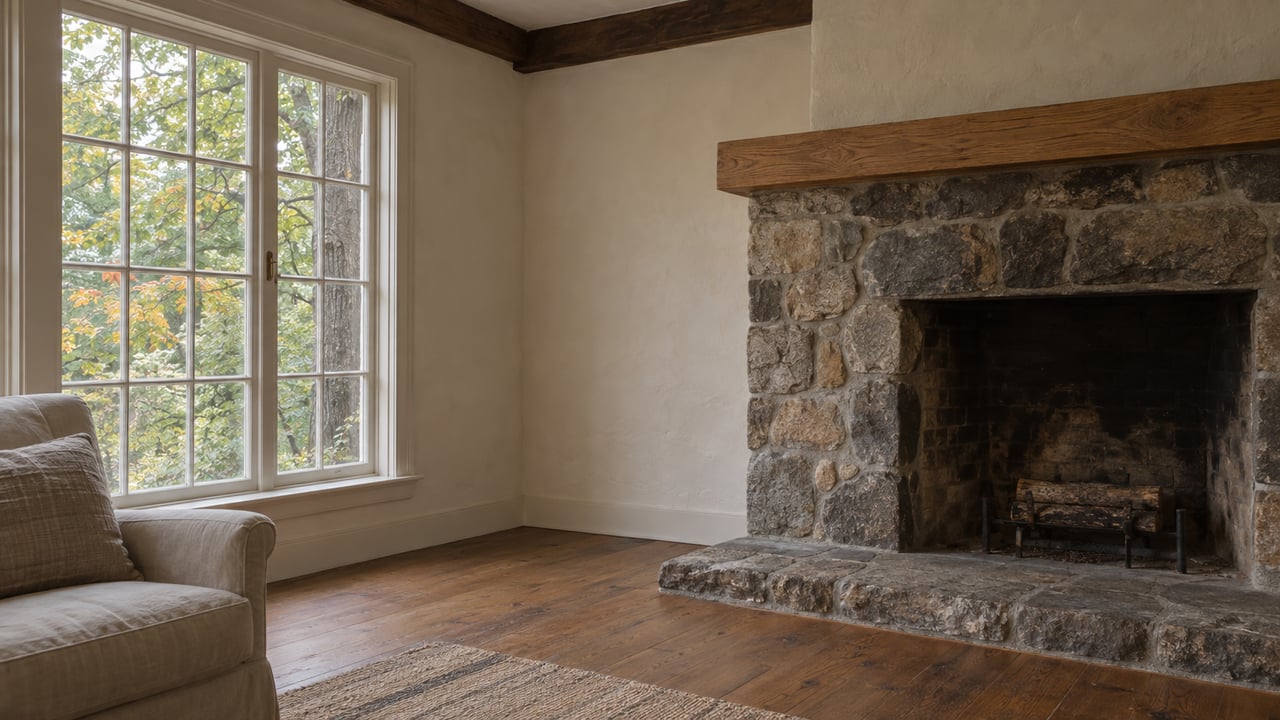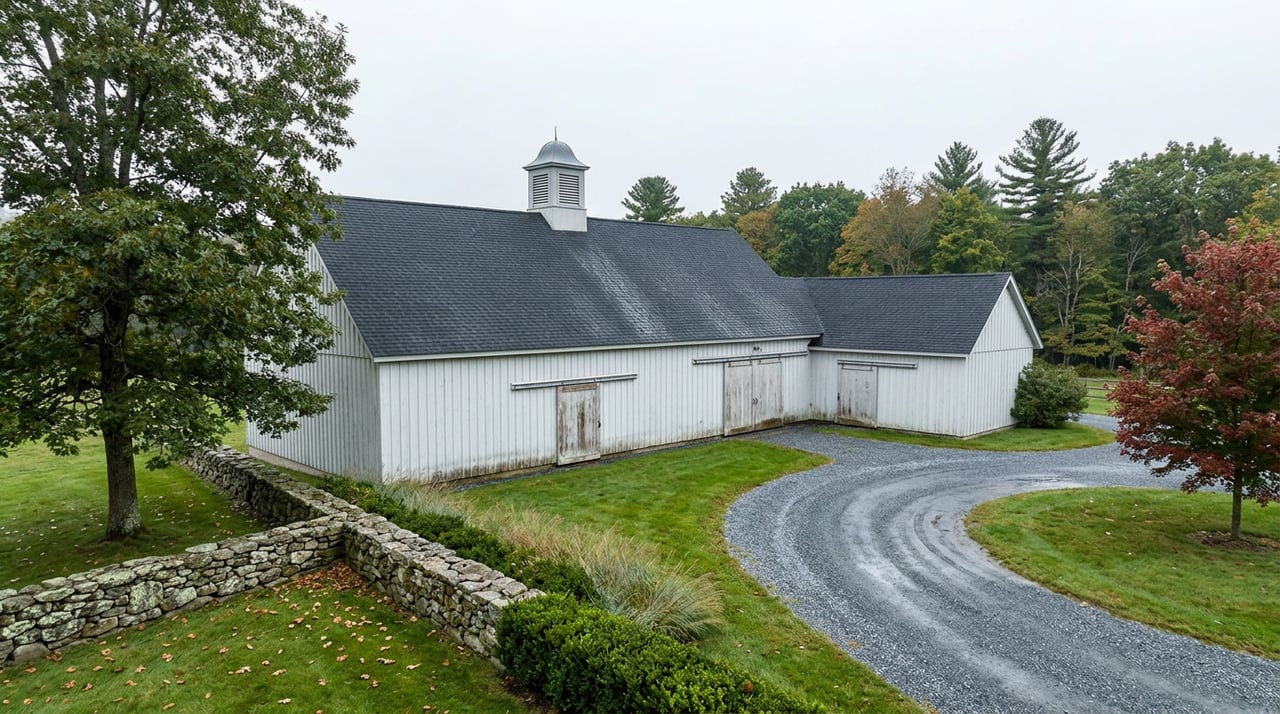
Ask someone in Bedford Village what's new this year and you'll likely hear about the new brunch at the Bedford Post, or the shop that took over the old firehouse, or whichever restaurant just changed hands on Route 22. All true. All worth knowing. But add up the actual list of what opened this year and you get a shorter number than the conversation suggests: nearly zero new addresses. What changed in Bedford Village in 2026 wasn't the town's footprint. It was who's standing behind the counter at places that were already there, and how deliberately each of them worked around a building that came with its own rules.
That distinction matters more than it sounds. A village that keeps swapping stewards while keeping its buildings intact is telling you something about how it actually works, and it's a different story than "Bedford is having a moment."
The Farmhouse That Got Younger Without Moving
The Bedford Post occupies a farmhouse that dates back to the 1780s, a property now owned by Richard Gere and his partner Russell Hernandez. The inn went through a significant renovation and reopened in 2024 with new management across its two restaurants. That's old news by now. What's new as of this year is what's happening at breakfast.
Toward the end of March 2026, Bedford Post Tavern rolled out a new breakfast and brunch menu built by chef Jaime Young, a culinary partner and co-founder of Sunday Hospitality, the group behind Sunday in Brooklyn, Café Chelsea, and The Dynamo Room. The Tavern Pancake, served with local maple syrup from the Hudson Valley and butter from Ronnybrook Farms, has already become a house favorite, alongside a cheeseburger built on dry-aged beef, cheddar, raw onion, and dijonnaise. It's the kind of menu built to travel well on a phone screen, and it's doing exactly that.
None of this required a new building or a new address. It required an existing eight-room inn to bring in a chef with a specific résumé and let the daytime menu catch up to what the dinner menu at the Tavern had already been doing. The farmhouse didn't move. The kitchen got younger.
The Firehouse's Second Shift
A few minutes down Route 22, the building at 34 Village Green used to be Bedford's working firehouse. When the department relocated, the question of what would move into a retired firehouse on the town green sat unanswered for a while. The answer turned out to be oHHo, a shop that started small on Court Road and expanded into what owner Nicola Stephenson has described as a concept store built around coffee, wellness products, and community events, including a Cars & Coffee morning that brought local car owners onto the green.
Here's the part that shows how this town actually functions: The Recorder reports that Bedford Village has septic restrictions that meant oHHo couldn't install a kitchen in the old firehouse. No kitchen means no restaurant, by definition, whatever the space might otherwise look like. So instead of fighting the constraint, oHHo worked with it. In 2024, the Bedford Planning Board approved a site plan amendment letting the shop operate a portable wood-fired pizza oven on its outdoor patio, in partnership with Pizza Girls NY, the same operator that runs the oven at the John Jay Farmers Market. Nothing gets cooked inside. Everything gets cooked outside, under an agreement built specifically around what an old firehouse's plumbing will and won't allow.
That's not a workaround anyone would invent on a whim. That arrangement gives the former firehouse a working second life. The garden out front, designed by local landscape designers Page Dickey and Leslie Needham, does the rest of the work of making a former firehouse feel like it was always meant to be a gathering spot.
Nine Years Before She Owned It
According to The Bedford Citizen's March 2 restaurant roundup, Ginger Japanese Restaurant has been a Bedford favorite since 2004, run by the husband-and-wife team of Meiling Khoo and Edward Hsu. When they decided to retire this past December, the restaurant didn't close and it didn't get sold to an outside buyer looking for a foothold in Westchester. It went to Sandy Zou, who had worked at Ginger for the previous nine years before taking over ownership.
That's a different kind of continuity than a menu refresh or a zoning workaround. It's the kind where the person now signing the lease already knew the regulars, already knew which dishes moved and which didn't, and already understood what the roundup's phrase "Ginger, just the way it was" meant to the people who'd been coming for two decades. The same local restaurant roundup that reported on Ginger's handoff had, the month before, profiled Steve's Pizza, a fixture in Bedford since 1970, and reported that Bedford House of Roast Beef had reopened. Three storylines, three different timelines, one pattern: buildings and business names that don't disappear, run by people who either grew into them from the inside or worked within their limits.
Where It All Actually Meets
None of these places exist in isolation, and the town has an obvious spot where they overlap. The Bedford Playhouse, a cinema that first opened in 1947 and now runs as a nonprofit arts and film center on Old Post Road, puts on a Summer Series of outdoor performances on its own lawn. The instruction is simple: bring a picnic and some lawn chairs. That's it. No assigned seating, no formal dinner reservation required, just a blanket, whatever you picked up from the Tavern or the firehouse or Ginger on the way over, and a warm evening in front of a screen or a stage.
It's a low-key detail, but it's the one that ties the whole season together. The Playhouse doesn't compete with the food scene around it. It gives that scene somewhere to end up on a Friday night. A town's actual character shows up less in any single business and more in how those businesses feed into a shared ritual that residents built without anyone needing to plan it.
What the Turnover Actually Says
If you're new to Bedford Village, or if you've lived here long enough to stop noticing, the pattern worth clocking is this: almost nothing in this town gets built from scratch. It gets handed off, worked around, or quietly renewed by someone who already understood the constraints. A farmhouse tavern brought in a chef instead of a new building. A retired firehouse got a pizza oven instead of a kitchen it was never going to be allowed to have. A restaurant changed owners without changing hands to a stranger. That's a slower kind of change than most towns get credit for, and it's the kind that tends to hold up.
We think about property in Bedford the same way. Buildings here carry history, and the septic line, the zoning note, the family that's run a business for two decades all shape what a piece of property can actually become, long before a listing photo does. If you're weighing a move here, or thinking about what your own Bedford property is worth stewarding into its next chapter, The Will Stuart Team has spent years reading exactly these details. Schedule a personalized consultation when you're ready to talk through what your property, or your next one, actually allows.
This article is general information, not legal, tax or financial advice. Consult a qualified professional about your situation.