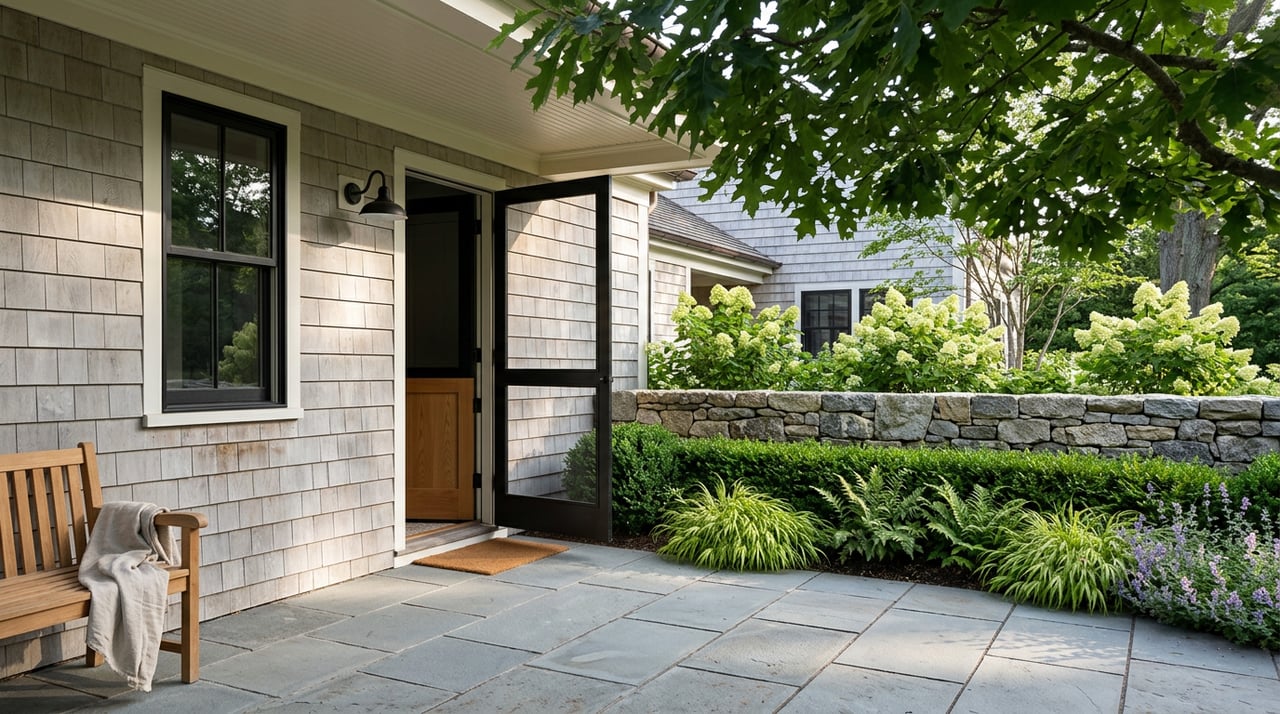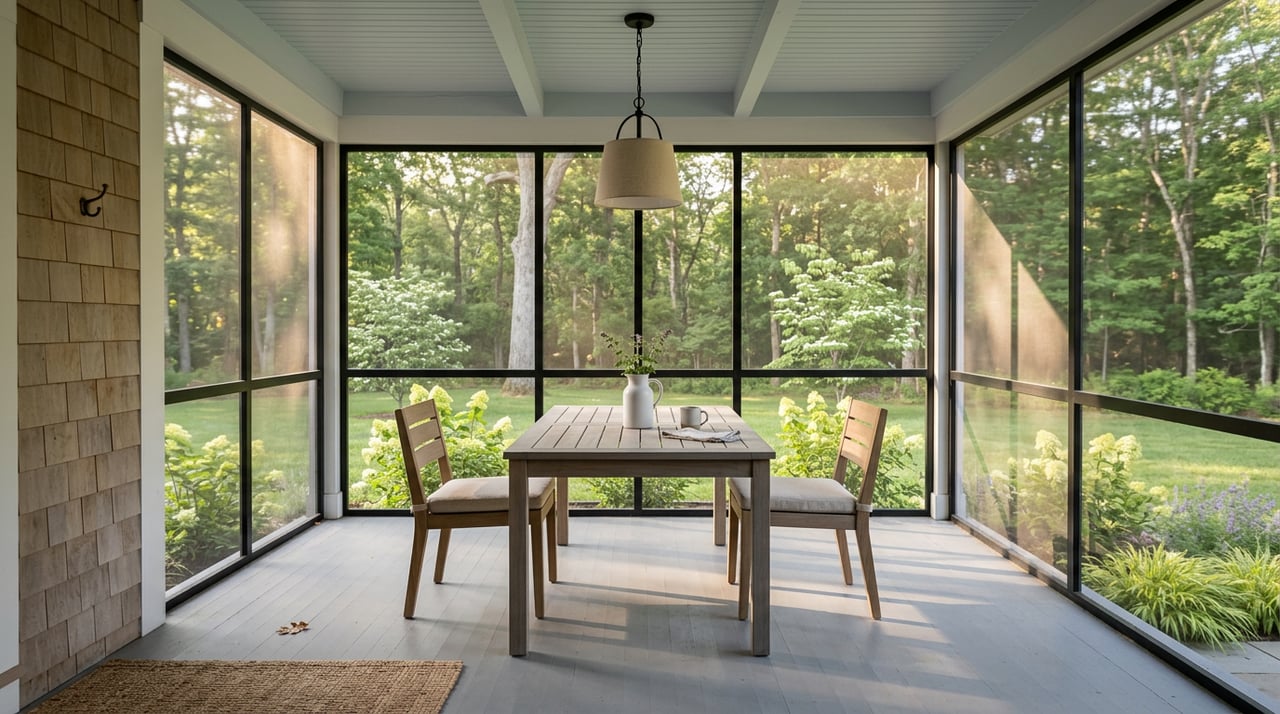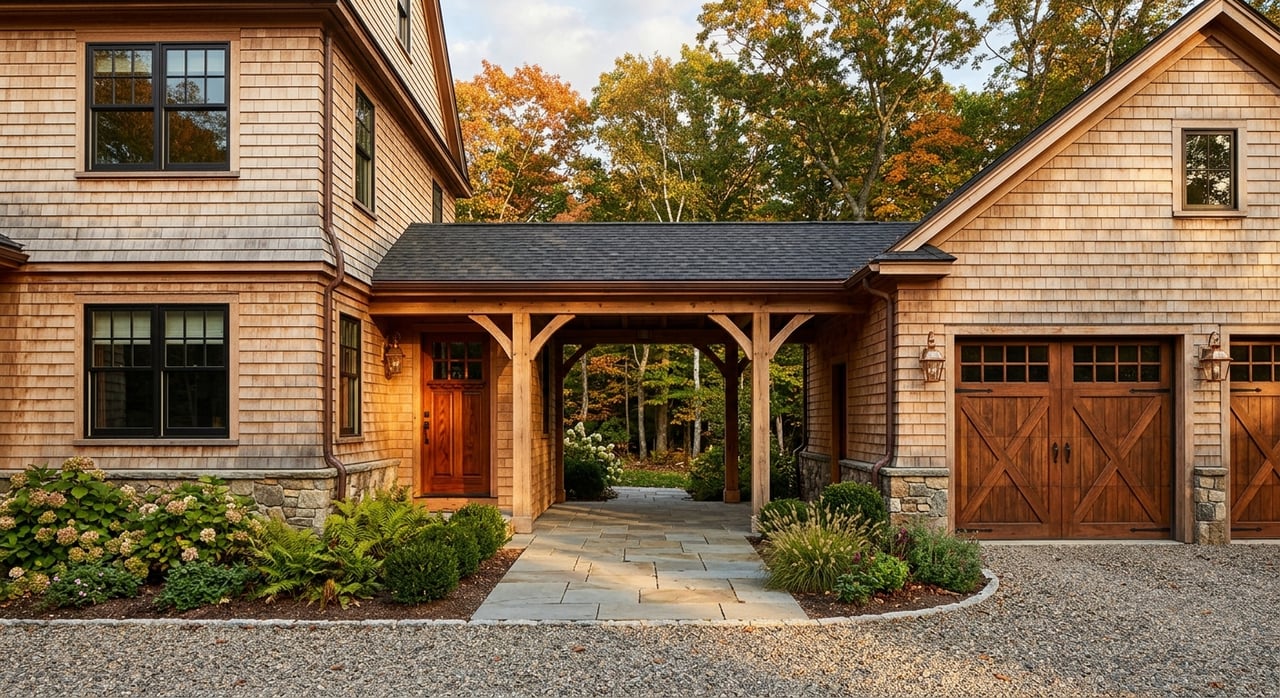
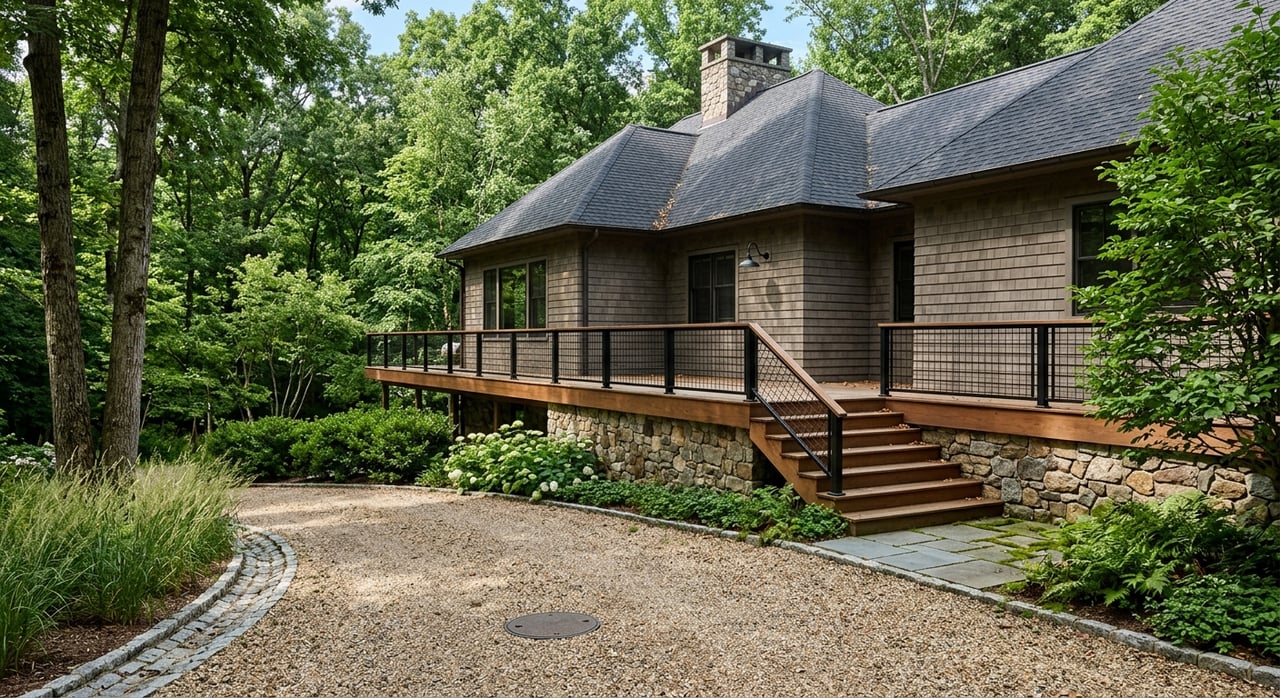
If you picture a country retreat as total seclusion, Kent may surprise you in the best way. Here, you can enjoy a rural setting with real day-to-day usability, from a compact village center to quick access to trails, river recreation, and state parks. If you are considering a second home or weekend escape in northwestern Connecticut, understanding how Kent works on the ground can help you buy with more confidence. Let’s dive in.
Why Kent Works for a Country Retreat
Kent offers a mix that many second-home buyers look for but do not always find: a recognizable village center set within a low-density landscape. According to the Town of Kent, the town has about 3,000 residents and includes hamlets such as Bulls Bridge, Kent Hollow, South Kent, and The Cobble. Its downtown core along Route 7 and Route 341 brings together homes, shops, galleries, restaurants, and services.
That balance matters when you are buying a retreat. You may want privacy and acreage, but you also want errands, dining, and local services to feel manageable. In Kent, you can be close to the village center and still feel tucked into the countryside.
Outdoor Access Shapes Daily Life
Kent is not just scenic from a distance. It has strong outdoor anchors that make ownership feel usable throughout the year. The Housatonic River corridor near Kent includes fishing, hiking, camping, canoeing, and kayaking, along with access to Kent Falls State Park, the Appalachian Trail, and Saint John’s Ledges.
For buyers who want more than a pretty view, this is an important distinction. You can evaluate whether a property puts you near trailheads, river access, or parkland, rather than simply near open space. The nearby Kent Falls State Park trail is short but steep, and Macedonia Brook State Park adds more hiking and camping options.
Start With Access and Driveways
In Kent, the road to the house matters almost as much as the house itself. Rural parcels can come with long driveways, shared access, grade changes, drainage issues, or state-road permit requirements. These details are not minor, especially if you plan to use the home year-round.
Kent’s zoning regulations require residential driveways to have an all-weather surface, drainage controls, a minimum traveled width of 10 feet, and a maximum 15 percent grade. The town also requires permits from CTDOT for state roads or from the Highway Foreman for town roads, and a certificate of zoning compliance is not issued until the driveway is built to standard, according to the Kent zoning regulations.
Questions to Ask About Access
Before you move forward on a property, it helps to ask a few practical questions:
- Is the driveway already built to a year-round standard?
- Does access depend on a private road?
- If it is a private road, how many parcels share it?
- Are there drainage or steep-grade issues that could affect winter use?
- Does the home sit on a state road or town road that requires specific approvals?
These questions can save you from expensive surprises after closing.
Private Roads Need Extra Review
Private roads can be common in rural areas, but in Kent they deserve careful attention. The zoning code requires new private roads that serve more than one parcel to meet town width and material standards unless the Commission approves a modification. It also limits how many lots may be served by an existing private road, depending on parcel size.
If your retreat depends on a shared private road, you will want to understand how that access works in practice. This is especially important if you are buying for seasonal use, because reliability and maintenance affect everything from deliveries to winter entry.
Riverfront and Hillside Parcels Can Carry Extra Rules
Some of Kent’s most attractive settings also come with added review. The town’s Floodplain Overlay District requires additional flood-safe design for buildings, utilities, septic systems, and water systems. Kent also has a Housatonic River Overlay District that applies to a sensitive river corridor with natural and historic resources, as outlined in the zoning regulations.
That does not mean these properties should be avoided. It means you should match the property to your plans. If you hope to expand, renovate, or change site features later, overlay districts may influence what is possible.
Utilities Are a Major Part of Due Diligence
One of the biggest differences between village and country properties in Kent is utility infrastructure. You should never assume that sewer, water, or internet service will be the same from one address to the next. In rural markets, these details often shape long-term ownership more than finishes or decor.
Kent’s sewer collection system is concentrated largely in the Village Center. That means many homes outside that area may rely on septic systems instead of public sewer. Verifying this early is essential.
Sewer, Septic, and Soil Testing
If a property is not on public sewer, septic review becomes central to the purchase process. The Torrington Area Health District, which serves Kent, notes that percolation tests and deep observation pits are required for new and repaired septic installations. For buyers, this underscores the need to confirm existing approvals and understand future capacity.
If you are considering additions, a guest space, or long-term use changes, septic capacity can become a deciding factor. A beautiful country retreat may feel very different once you understand the limits of the site.
Well Water Should Be Tested
Private wells are another common part of rural ownership. The Connecticut Department of Public Health recommends testing private well water during the home purchase process and notes that water quality can change over time. In other words, the only way to know the condition of the supply is to test it.
For a second-home buyer, this is especially important. You may not be at the property every day, so knowing the water system has been properly reviewed helps reduce uncertainty and supports smarter planning.
Electric and Internet Matter More Than You Think
Weekend homes still need dependable infrastructure. Kent’s state utility listing shows Eversource as the electric distribution utility, and it also lists Charter and Frontier among communications providers in town.
That is a helpful starting point, but service can vary by parcel. Before closing, it is wise to confirm what reaches the property consistently, especially if you plan to work remotely, stream reliably, or monitor the home when you are away.
Do Not Assume Rental Flexibility
Some buyers hope a country retreat can also offset costs through rental income. In Kent, that idea requires careful verification. The town’s zoning code states that any use not specifically listed as permitted is prohibited, so your intended use has to match the parcel’s zoning district and approval path.
This is where many second-home buyers can get tripped up. A property may be ideal as a private retreat but not suitable for a rental plan you had in mind.
Bed-and-Breakfast and Accessory Use Rules
Kent’s zoning regulations tightly define bed-and-breakfast use. The owner must live on the premises, breakfast is the only meal that may be served, guest room counts are capped based on zone, and the plans must be certified as adequate for water supply and sewage disposal. Off-street parking is also required.
Accessory dwellings and guest houses are regulated as well. Depending on the use, approvals may include sanitary and water-supply review, and some uses involve owner-occupancy or personal-use requirements. If rental income is part of your strategy, you should confirm the exact zoning before underwriting any projected return.
Year-Round Usability Matters
A country retreat should feel enjoyable in every season, not just on a perfect fall weekend. Kent’s local departments include Emergency Management, Public Works, the Resident State Trooper, and a Torrington Area Health District satellite office. These services help support the practical side of ownership, from local safety questions to health-related approvals and infrastructure concerns.
When comparing properties, it helps to think beyond aesthetics. Consider how far the home is from the village center, how easy the approach is in winter, whether nearby recreation is truly accessible, and which local offices would handle any approvals you may need. Those are often the details that separate a beautiful property from a workable one.
A Smart Buying Framework for Kent
If you are considering a country retreat in Kent, focus your search around a few core questions:
- How close is the property to Kent’s village center and key roads like Route 7 and Route 341?
- Is access straightforward in all seasons?
- Is the home on public sewer, or does it rely on septic?
- Does it use a private well, and has the water been tested?
- Are there floodplain, river corridor, or other overlay considerations?
- If rental use matters to you, does the zoning support your plan?
- Do electric and internet service meet your needs?
This type of review brings the lifestyle vision and the property realities into the same conversation. That is exactly where a good purchase decision gets made.
Kent can be a compelling place to buy a country retreat because it offers both atmosphere and utility. You get a village-centered town, immediate access to outdoor recreation, and a rural landscape that still feels connected. If you want help evaluating access, land, infrastructure, and fit before you buy, The Will Stuart Team offers senior-led guidance tailored to lifestyle properties across northwestern Connecticut.
FAQs
What makes Kent, Connecticut appealing for a country retreat?
- Kent combines a walkable village center with a low-density rural setting, plus access to the Housatonic River, Kent Falls State Park, and the Appalachian Trail.
What should you check about driveways when buying in Kent?
- You should verify whether the driveway meets town standards for all-weather surface, drainage, width, and grade, and whether any road permits are required.
Are all homes in Kent connected to public sewer?
- No. Kent’s sewer collection system is concentrated largely in the Village Center, so many properties require parcel-specific verification and may rely on septic.
Why is well water testing important when buying a Kent retreat?
- Connecticut guidance recommends testing private well water during the purchase process because water quality can change over time and testing is the only way to confirm conditions.
Can you assume a Kent second home can be rented out?
- No. Kent zoning requires intended use to match the property’s zoning district, and uses such as bed-and-breakfasts, accessory dwellings, and guest houses have specific rules and approvals.
What local factors help determine whether a Kent retreat is practical year-round?
- Key factors include distance to the village center, road access, winter usability, utility reliability, and whether the property is near usable trail, river, or park access.