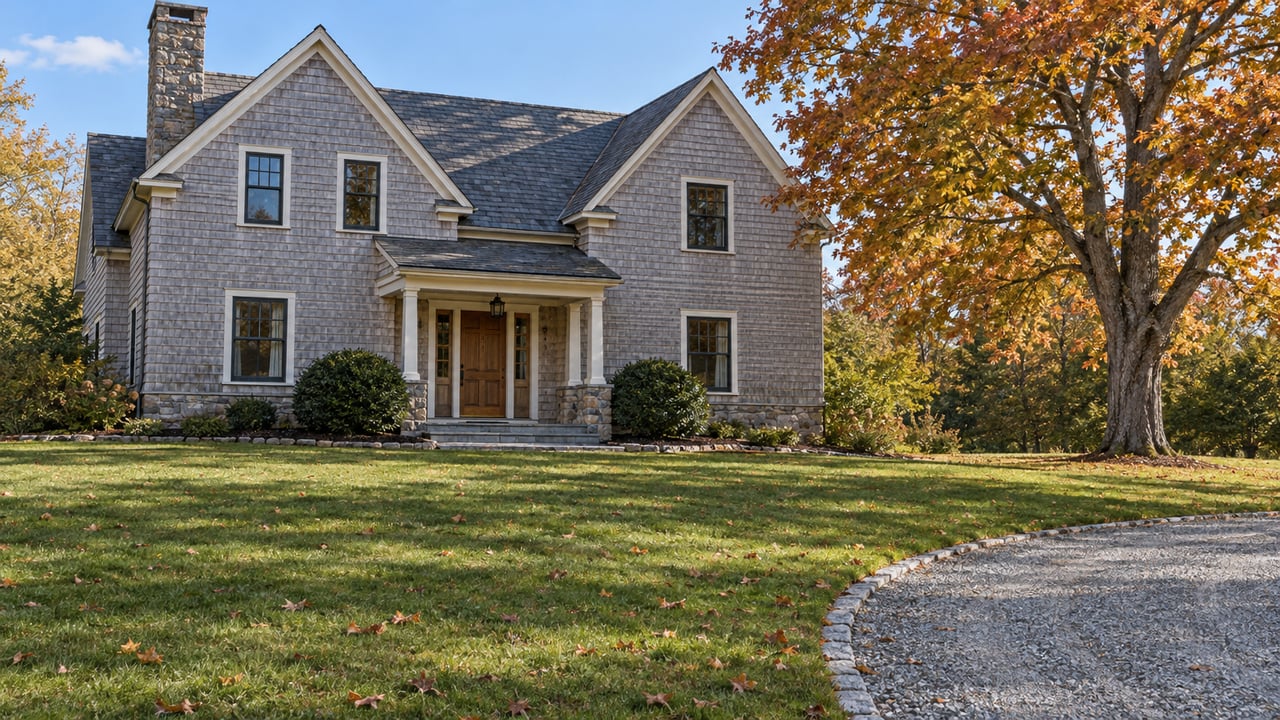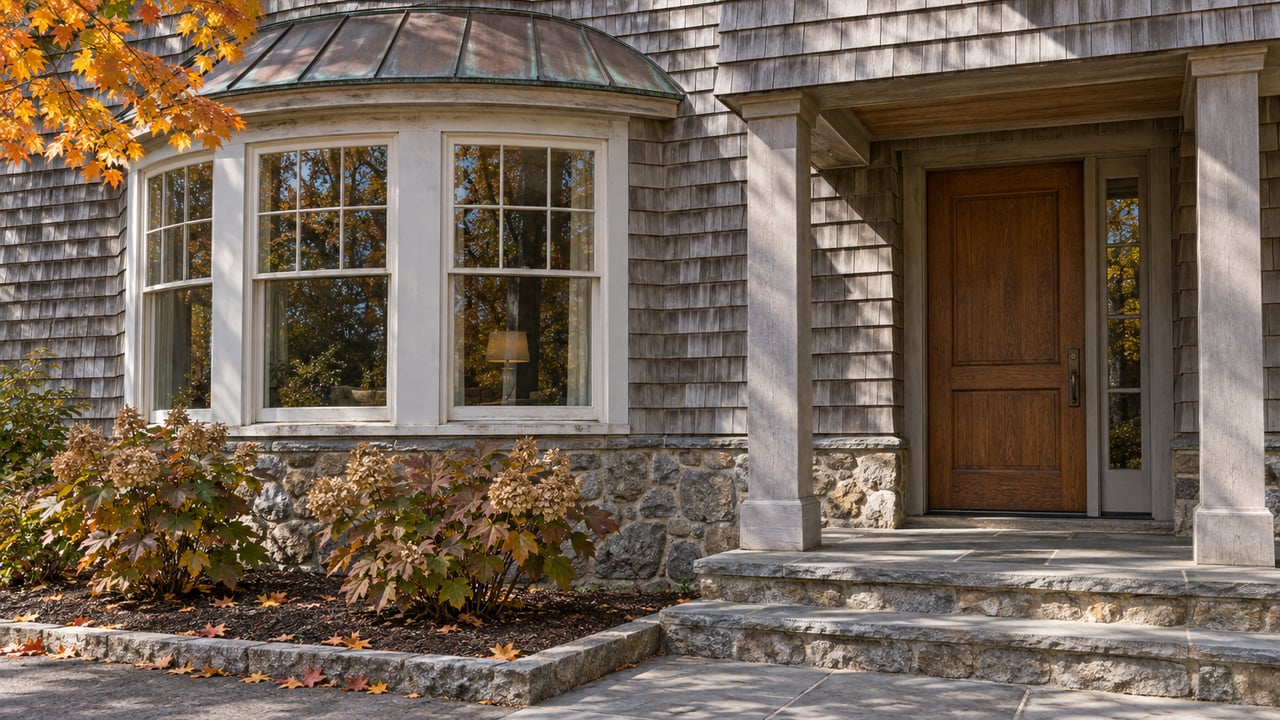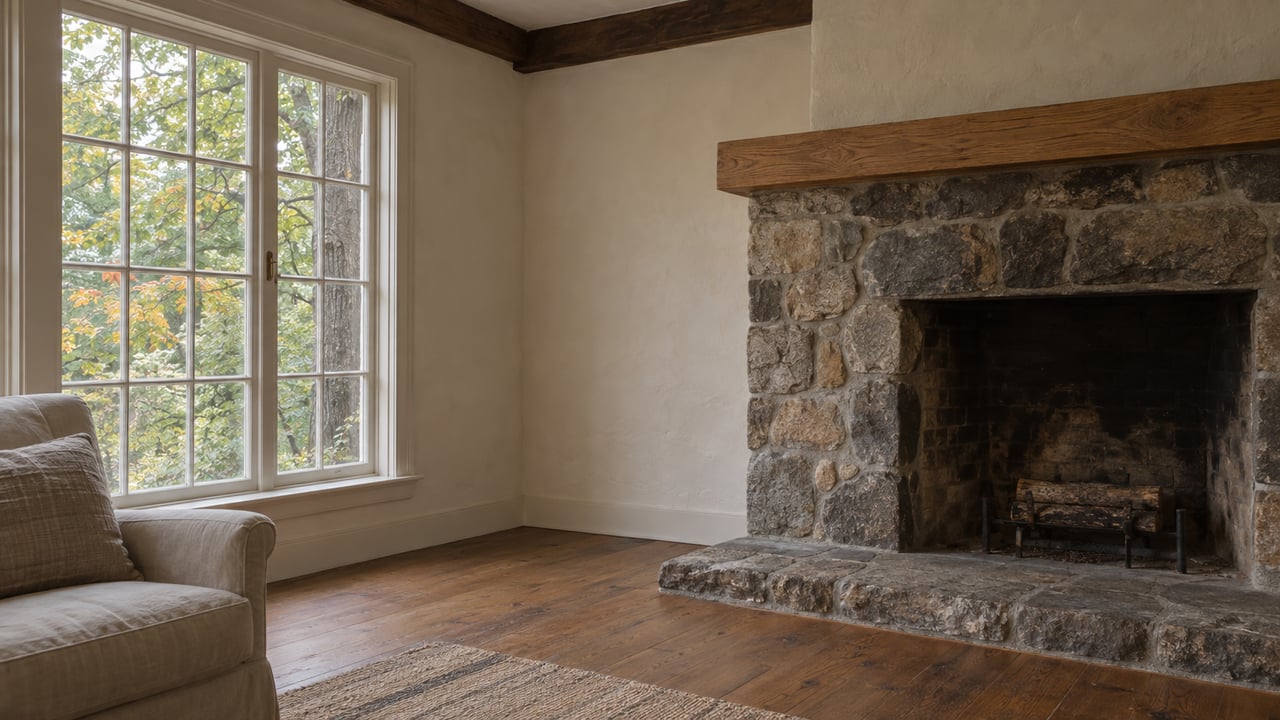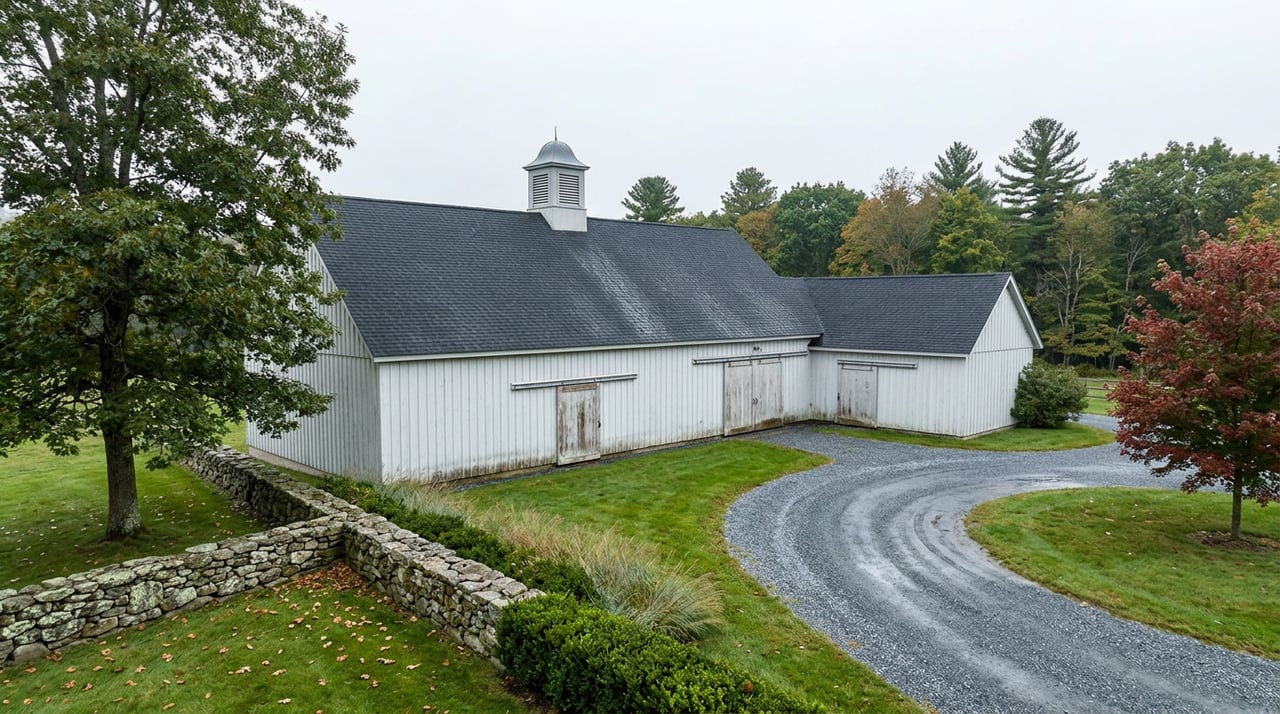
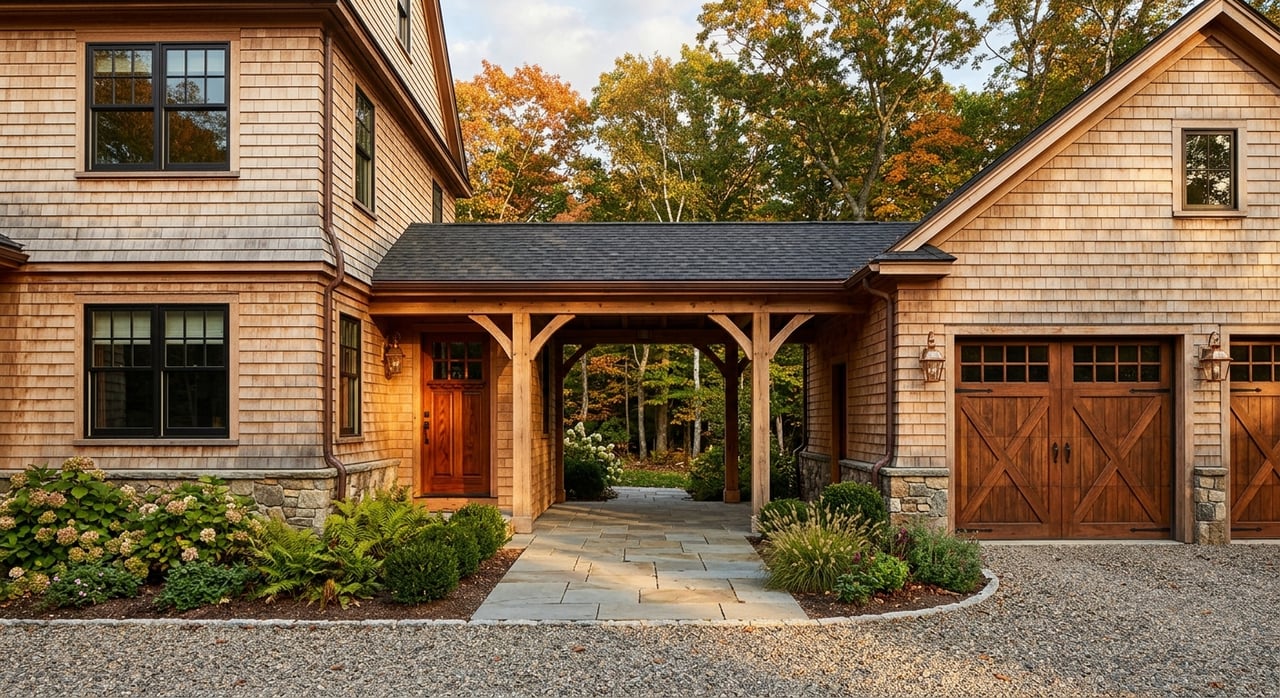
Dreaming about a place where your weekends feel quieter the moment you arrive? Washington Depot offers that rare mix of village convenience and Litchfield County character, but buying a weekend retreat here takes more than falling for a charming house or a pretty setting. If you want to buy smart, you need to understand how this small village works, what local rules can affect a property, and which questions matter most before you close. Let’s dive in.
Why Washington Depot Appeals to Weekend Buyers
Washington Depot is the largest village center in the Town of Washington, and it functions as the town’s main hub of activity. The village core is centered around Bryan Hall Plaza, with a food market, pharmacy, post office, banks, town hall, senior center, and nearby retail and service uses clustered together. For a weekend buyer, that creates a practical balance between small-town atmosphere and everyday convenience.
The broader Town of Washington remains small and relatively high value. The 2025 Connecticut Town Profile lists a population of 3,648, with 1,395 households, 1,878 housing units, and a median home value of $606,900. That profile helps frame Washington Depot as a compact village inside a town where housing supply is limited and land-use details matter.
What makes the Depot especially distinctive is its mixed-use character. The village-center planning inventory counted 27 single-family residences, 19 retail or service commercial uses, 10 office commercial uses, 2 multifamily properties, and 8 vacant parcels within the center. That is unusual for a small New England village and worth keeping in mind if you want a retreat that feels connected rather than isolated.
What Kind of Weekend Retreat You Can Find
Your options in and around Washington Depot can vary quite a bit. In the village center, you may find homes close to shops, civic buildings, and services, while the surrounding parts of Washington may offer larger lots, more privacy, and estate-style settings. That difference matters because the buying process often changes with the lot, not just the house.
If you are focused on a village-based retreat, it helps to know that the B-2 Washington Depot business district generally allows single-family residential use, along with retail, office, bank, and personal-service uses. Other uses, including restaurants, bed-and-breakfasts, accessory apartments, affordable housing, and housing other than single-family, are treated as special-permit uses. In plain terms, what you can do with a property may be more limited than what a listing description seems to suggest.
Some buyers come to Washington looking for more than a simple second home. If you are considering acreage, barns, hobby-farm use, or an equestrian setup, the town’s zoning framework becomes even more important. Most of the R-1 district permits animals and livestock without a numeric per-acre cap, though health rules and manure-storage setback limits still apply.
Why Acreage Is Not the Whole Story
One of the biggest mistakes second-home buyers make in Washington is assuming that lot size tells them everything. It does not. Washington uses soil-based zoning, so residential density depends on soil class rather than acreage alone.
The town assigns density from 0.50 dwelling units per acre on Class A soils to 0.15 on Class D soils, with Class E determined case by case and Class F at 0.0. Interior lots proposed for residential use must have at least 3.0 acres, and minimum frontage in R-1 and R-2 is 200 feet. That means two properties with similar acreage can have very different development potential.
This is especially important if you are thinking ahead. Maybe you want to add a guest space, create a more functional estate layout, or simply understand the long-term value of the land. In Washington, soil conditions, lot configuration, and zoning boundaries can shape those possibilities more than the total number of acres on paper.
Check for Split Zoning Early
In Washington Depot, some parcels are split between the B-2 district and adjacent R-1 zoning. The village planning study notes that when a lot straddles districts, the more restrictive regulations control. That can affect future plans in ways that are not obvious from a quick walk-through.
For you as a buyer, this means the survey, zoning map, and lot lines deserve close attention. A property’s mailing address or general location in the Depot does not tell the whole story. Before you count on an addition, outbuilding, or different use, you will want to verify exactly where the zoning boundaries fall.
Permits Matter for Second-Home Ownership
Weekend homes often come with a wish list. You may be picturing a pool, a new patio, a fence, a generator, a dock, or a small accessory building. In Washington, many of those improvements require permits through the zoning commission.
The town specifically requires permits for features that many second-home buyers add after closing, including fences, pools, patios, docks, generator installations, and other accessory structures. The zoning information page also states that accessory structures are treated as permanent. So if you are assuming a shed or similar structure is informal or temporary, that assumption could create problems.
Before a building permit is issued, Washington expects required approvals from departments such as Health, Historic District, Inland Wetlands, and Zoning. Septic systems, wells, and related items also run through the Health Department, and health sign-off is needed on zoning permit applications. If you are buying remotely or planning improvements after closing, this approval chain is a key part of your timeline.
Wetlands and Floodplain Questions Deserve Extra Attention
In Washington Depot, water-related constraints are not a side issue. The Shepaug River shapes the village, and the village study notes that much of the Depot center lies within the river’s 100-year floodplain. That does not automatically rule out a property, but it does raise the importance of careful due diligence.
Washington’s inland-wetlands rules require a permit for any work in wetlands or watercourses, or within 100 feet of them. The town also explicitly notes that septic work within that regulated area requires wetlands approval. If your retreat plans involve expansion, site work, drainage changes, or septic updates, this can directly affect cost, timing, and feasibility.
For many second-home buyers, this is where local guidance becomes especially valuable. A house may feel turnkey at first glance, but the land and approval path can still shape what you are able to do over time.
Understand the Day-to-Day Logistics
Part-time ownership in Washington often comes with a more hands-on rhythm than buyers expect in a suburban neighborhood or condominium setting. The town’s rules point to a property ownership model that depends on local coordination, especially where wells, septic systems, wetlands, and rural-site conditions are involved. If you are comfortable with that, Washington Depot can be a strong fit.
There are also some straightforward practical details to know. Only residential properties from Washington may use the transfer station, and windshield stickers are required. The town also states that it does not have additional taxes for water, sewer, or fire districts, which can help when you compare carrying costs with other Connecticut towns.
The FY 2025 to 2026 mill rate is 10.85. At closing, Connecticut real estate conveyance tax paperwork is handled at recording using Form OP-236 when applicable, so buyers and sellers should coordinate the details with their attorney and the town clerk.
Be Careful With Rental Assumptions
If part of your plan is to offset ownership costs with occasional rental income, verify the rules before you buy. Washington’s zoning regulations allow room-and-board or bed-and-breakfast uses only by special permit in owner-occupied dwellings. Only one bed-and-breakfast may be operated per property, permits run for three years, and the lot must provide additional guest parking.
Accessory apartments are also closely regulated. For attached and detached accessory apartments, the owner must live on the property, the unit must have its own kitchen and full bath, it must be at least 400 square feet and no more than 1,200 square feet, the Health Department must approve the water and septic systems, and additional off-street parking is required.
The current zoning regulations did not surface a dedicated short-term-rental section in the town materials provided, but zoning commission minutes from January 2024 show that short-term rentals were being actively discussed. For you, the practical takeaway is simple: do not assume Airbnb-style use is allowed just because a property seems suitable for it. Treat rental use as a specific verification item during due diligence.
The Best Questions to Ask Before You Buy
When you are evaluating a weekend retreat in Washington Depot, a few questions can help you focus on what really matters:
- What zoning district or districts affect the property?
- Is the lot split between zones?
- What do the soils allow for current and future use?
- Will any planned work need Health, Zoning, Historic District, or Inland Wetlands approval?
- Is the property in or near the 100-year floodplain?
- Are the septic and well systems already approved for the intended use?
- If rental income matters to you, what use is actually allowed under current town rules?
These are not just technical questions. They are the questions that help protect your flexibility, your budget, and your long-term enjoyment of the property.
Buying With a Stewardship Mindset
A weekend retreat in Washington Depot can be many things. It can be a walkable village home near the town’s daily conveniences, a tucked-away country property nearby, or a longer-term lifestyle purchase that grows with your plans. The key is to match the property not only to your taste, but also to the local land-use framework that comes with it.
That is where thoughtful guidance makes a difference. In a market like Washington, understanding acreage, soils, wetlands, permits, and possible future uses is part of buying well. If you want help evaluating a Washington Depot retreat with both lifestyle and long-term value in mind, schedule a personalized consultation with The Will Stuart Team.
FAQs
What makes Washington Depot appealing for a weekend retreat?
- Washington Depot offers a compact village center with everyday services and a mix of residential, civic, office, and retail uses, all within the broader rural setting of the Town of Washington.
What should buyers know about zoning in Washington Depot?
- Buyers should know that some properties may fall in the B-2 district, some in residential districts, and some may be split across zones, with the more restrictive regulations controlling when a lot straddles districts.
Why do soils matter when buying land in Washington?
- Washington uses soil-based zoning, so development potential depends on soil class and lot conditions, not just total acreage.
What permits might a Washington weekend-home owner need?
- Depending on the project, owners may need approvals involving Zoning, Health, Historic District, and Inland Wetlands, especially for features like pools, fences, patios, docks, generators, septic work, and accessory structures.
Are short-term rentals allowed for a weekend retreat in Washington Depot?
- Current town materials provided here do not confirm a dedicated short-term-rental framework, so buyers should verify any planned Airbnb-style or similar rental use directly during due diligence.
What are the basic carrying-cost details buyers should review in Washington?
- Buyers should review the FY 2025 to 2026 mill rate of 10.85, confirm expected property taxes, and note that the town states it does not have additional taxes for water, sewer, or fire districts.